Blocked and restricted drains can quickly become a serious problem.
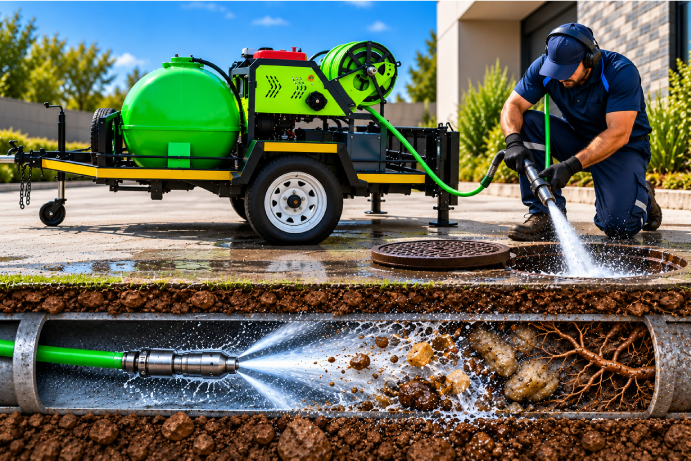
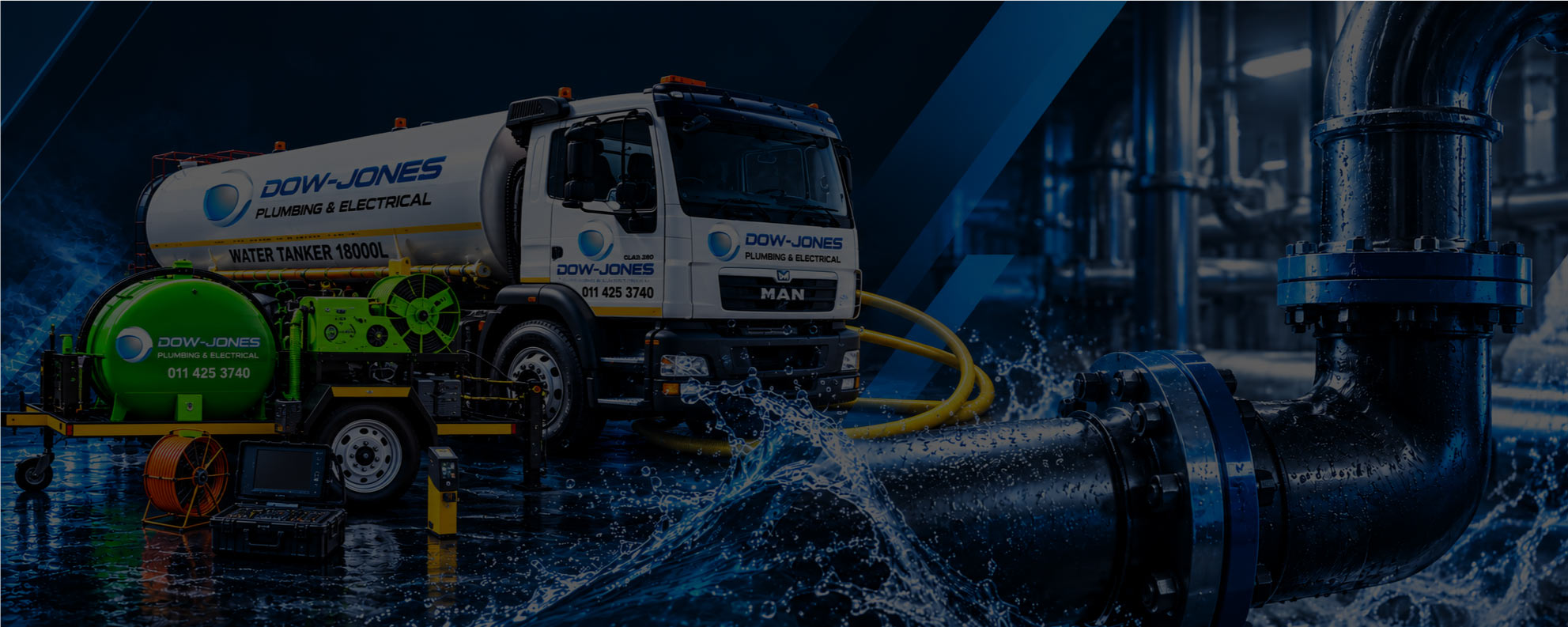
Dow Jones Plumbing uses high-pressure water jetting equipment to clear blockages and clean drainage systems.
The high-pressure water system helps break down and remove material inside the pipe, helping restore proper flow.
Drain jetting can assist with:
- Blocked drains
- Grease build-up
- Dirt and debris
- Scale build-up
- Drain restrictions
- Root intrusion
- Sewer line blockages
- Commercial drainage systems
- Preventative drain cleaning

Powerful Blockage Removal

Improved Drainage Flow

Preventative Drain Maintenance
Drain jetting is a professional cleaning method that uses high-pressure water to remove blockages, grease, dirt and debris from drainage pipes.
High-pressure water jetting can help remove grease build-up, dirt, debris, scale, sludge and certain root intrusions.
When performed by trained professionals using suitable pressure settings, drain jetting is generally safe for pipes in good condition. Damaged or fragile pipes may require additional assessment.
High-pressure jetting can remove certain root intrusions and help restore water flow. Severe root damage may require further repairs.
Common signs include slow drainage, recurring blockages, unpleasant odours, gurgling sounds and wastewater backing up.
Yes, high-pressure water jetting can help clear blockages and remove accumulated material from suitable sewer lines.
Yes, Dow Jones Plumbing provides drain jetting solutions for commercial drainage systems, including those affected by grease, debris and recurring restrictions.
The recommended frequency depends on usage, pipe condition and the type of waste entering the system. High-use commercial drains may benefit from scheduled preventative cleaning.
Drain jetting can clean the internal pipe walls more thoroughly than some traditional methods, helping remove accumulated material rather than simply opening a passage through the blockage.

Regular preventative drain jetting can reduce build-up, improve drainage performance and lower the risk of recurring blockages.